U.S. hotel performance is posting notable gains compared with 2025 levels, as travel continues to be a priority for many despite persistent inflation, the Middle Eastern conflict, and longer security lines at airports. While luxury hotels are posting the greatest RevPAR gains, even economy and midscale hotels are showing occupancy improvement (as we expected).
Industry Insights
We have written thousands of articles about all aspects of hospitality, including valuations, investing, lending, operations, asset management, and much more.
HVS U.S. Market Pulse: March 2026
U.S. hotel performance is posting notable gains compared with 2025 levels, as travel continues to be a priority for many despite persistent inflation, the Middle Eastern conflict, and longer security lines at airports. While luxury hotels are posting the greatest RevPAR gains, even economy and midscale hotels are showing occupancy improvement (as we expected).
2025 European Hotel Transactions
HVS discusses the main hotel transactions that took place in 2025 and looks at the trends in single-asset and portfolio transactions over the years.
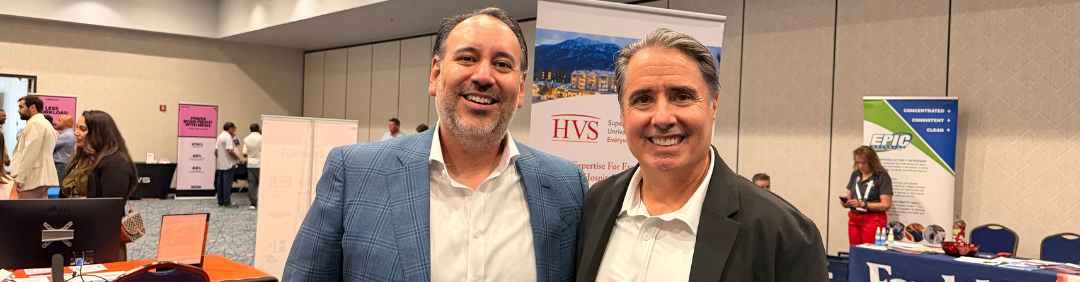
HVS Takeaways: Optimism Dominates at Hunter Conference 2026
Optimism took center stage at this year’s Hunter Conference, with continued strength in luxury and upper-upscale properties driving greater investor interest. The industry remains hopeful that the FIFA World Cup will prove to be a windfall, Middle East conflicts will soon be resolved, and gas prices will stabilize, leading to a stronger second half of 2026 for RevPAR growth, hotel pricing, and transactions.
HVS 2026 European Hotel Valuation Index
Against a backdrop of ongoing wars, changes of leadership in the USA and intensifying global instability, hotel values showed a 0.2% increase through 2025. However, hotel occupancy increased across the region.
Hotel Discount Rates and Equity Yields: A Decade of Shifting Investor Expectations
Over the past decade, equity yields for hotel investments have declined steadily across all segments, reflecting growing investor confidence in the asset class. Discount rates, by contrast, have remained relatively stable, moving with broader economic conditions. With equity yields approaching a natural floor, stability is the most likely near-term outlook.
What Every Owner Needs to Know Before Deciding to Sell, Hold, or Renovate in 2026
U.S. hotels had a difficult year in 2025, with RevPAR down 0.3%—the first non-recessionary decline on record. Conditions are improving, and 2026 appears to be a stabilization year. This playbook examines the pricing floor, segment performance variations, and PIP and debt maturity pressures. It also includes a “seller-readiness checklist” for timing a sale.
HVS U.S. Market Pulse: February 2026
U.S. hotels began 2026 steadily, with flat occupancy and slightly higher ADR for January. As of February, HVS expects modest RevPAR growth in 2026 and stronger gains in 2027 and 2028. Cap rates are trending downward as more distressed assets sell, while transaction activity is slowly gaining momentum, supported by lower interest rates.
MBA CREF 2026 Conference Key Takeaways: Debt Markets, Liquidity, and the Evolving Real Estate Cycle
Discussions at the MBA CREF 2026 conference in San Diego highlighted several key shifts in commercial real estate capital markets, including the growing dominance of debt, strong private credit liquidity, and ongoing asset repricing following recent market volatility. While these trends affect all property types, they carry notable implications for the hospitality sector.
Israel’s Tourism and Hospitality Outlook – From Recovery to Reinvention
This article examines Israel's tourism and hospitality industry, hotel investment and transactions market and the likely speed of recovery following the end of the war. It also discusses to what extent Israel's operational resilience, strategic flexibility and the untapped potential of the Abraham Accords will allow its tourism industry to recover.
San Francisco’s Hotel Investment Outlook Brightens
Following a slow post-pandemic recovery and a modest decline in 2024, RevPAR for the San Francisco market has rebounded in 2025, with year-to-date performance reaching the highest levels since 2020. With strengthening fundamentals, the market appears poised for notable growth in hotel investments.
Industry Insights
We have written thousands of articles about all aspects of hospitality, including valuations, investing, lending, operations, asset management, and much more.
HVS discusses the main hotel transactions that took place in 2025 and looks at the trends in single-asset and portfolio transactions over the years.
Optimism took center stage at this year’s Hunter Conference, with continued strength in luxury and upper-upscale properties driving greater investor interest. The industry remains hopeful that the FIFA World Cup will prove to be a windfall, Middle East conflicts will soon be resolved, and gas prices will stabilize, leading to a stronger second half of 2026 for RevPAR growth, hotel pricing, and transactions.
Against a backdrop of ongoing wars, changes of leadership in the USA and intensifying global instability, hotel values showed a 0.2% increase through 2025. However, hotel occupancy increased across the region.
Over the past decade, equity yields for hotel investments have declined steadily across all segments, reflecting growing investor confidence in the asset class. Discount rates, by contrast, have remained relatively stable, moving with broader economic conditions. With equity yields approaching a natural floor, stability is the most likely near-term outlook.
U.S. hotels had a difficult year in 2025, with RevPAR down 0.3%—the first non-recessionary decline on record. Conditions are improving, and 2026 appears to be a stabilization year. This playbook examines the pricing floor, segment performance variations, and PIP and debt maturity pressures. It also includes a “seller-readiness checklist” for timing a sale.
U.S. hotels began 2026 steadily, with flat occupancy and slightly higher ADR for January. As of February, HVS expects modest RevPAR growth in 2026 and stronger gains in 2027 and 2028. Cap rates are trending downward as more distressed assets sell, while transaction activity is slowly gaining momentum, supported by lower interest rates.
Discussions at the MBA CREF 2026 conference in San Diego highlighted several key shifts in commercial real estate capital markets, including the growing dominance of debt, strong private credit liquidity, and ongoing asset repricing following recent market volatility. While these trends affect all property types, they carry notable implications for the hospitality sector.
This article examines Israel's tourism and hospitality industry, hotel investment and transactions market and the likely speed of recovery following the end of the war. It also discusses to what extent Israel's operational resilience, strategic flexibility and the untapped potential of the Abraham Accords will allow its tourism industry to recover.
Following a slow post-pandemic recovery and a modest decline in 2024, RevPAR for the San Francisco market has rebounded in 2025, with year-to-date performance reaching the highest levels since 2020. With strengthening fundamentals, the market appears poised for notable growth in hotel investments.
Robust demand in urban centers continues to drive Canadian hotel values despite high interest rate environment.